




Autism Community
Autism SA’s vision is for each person on the autism spectrum to live the life they choose in an inclusive society. Alongside our range of supports and services, we drive a number of initiatives to support our vision. You can read more about these initiatives below.
Autism Accessibility and Inclusion
Planning an event?
If you are planning an event, it makes sense to ensure that as many people as possible can access it.
There are two key areas that should be focused on to ensure your event is Autism Friendly:
Planning and communication
Providing information about the event in an accessible way, and well in advance enhances accessibility and inclusion.
Creating autism friendly environments and using autism friendly practices
Consideration to, and the application of, adjustments to support in communication, sensory, social and information processing can significantly support accessibility and inclusion for the Autistic community.
Check out our Autism Accessibility and Inclusion Events Guide
Access Guide for Inclusive Events
Thriving Together: Co-Creating Well-being Supports for Parents of Autistic Children
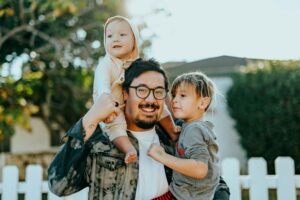
Parents of autistic children often experience significant and ongoing pressures that can affect their mental health, wellbeing, relationships and sense of connection. While much attention is rightly focused on supporting autistic children, parents frequently report that their own wellbeing needs are overlooked.
Through the Thriving Together: Co-Creating Well-being Supports for Parents of Autistic Children project, Autism SA partnered with parents to better understand these experiences and identify practical, meaningful ways to strengthen wellbeing supports.
Funded by the Fay Fuller Foundation through the Spark Grant Program, the project involved co-design with a focus group, in addition to broader community consultation and research review. The draft support module was then trialed and refined by parents. Parents shared their experiences, identified barriers to accessing support and helped shape a model that reflects what families say they need most.
Key Findings
The project found that parents value opportunities to connect with others who understand their experiences in safe, welcoming and non-judgemental environments. Flexible, accessible and neuro-affirming support options were identified as essential, alongside practical wellbeing strategies that recognise parents’ own needs—not just those of their children. The findings also highlighted the importance of reducing barriers such as time, cost, childcare, transport and feelings of guilt, while creating supports that foster connection, confidence and resilience.
“Having ability to share with a group like this reduces isolation because you’re with people who understand the reality without judgement or advice-giving.”
The project has produced four key resources:
- Full Project Report – A comprehensive overview of the project, methodology, findings and recommendations.
- Graphic of the Key Barriers and Enablers to Well-being Support Groups for Parents of Autistic Children – An exploration of the factors that influence participation and engagement in wellbeing supports.
- Co-Designed Well-being Support Group Model – A practical model informed by parents’ lived experiences.
- Policy Brief – Evidence-informed recommendations for governments, funders and service providers.
Together, these resources provide practical guidance for strengthening parent wellbeing and supporting families through more responsive, accessible and sustainable approaches.
We sincerely thank the Fay Fuller Foundation for funding this project and every parent who generously shared their experiences and ideas to help shape future supports.
Project Resources
- Full Project Report – Read the Report
- Barriers and Enablers to Well-being Support Groups for Parents of Autistic Children – Read the Report
- Co-Designed Well-being Support Group Model – View the Model
- Policy Brief – Read the Policy Brief
Yoga for Connection: Supporting the Autistic Community Through Movement and Mindfulness
Project Overview
Yoga for Connection was a community wellbeing initiative developed by Autism SA and funded through Yoga for Good. The project supported the emotional wellbeing, connection and resilience of autistic people and those important in their lives through accessible yoga, mindfulness and calming practices.
The program was developed in response to growing community feedback highlighting the need for more inclusive, low-pressure and non-clinical wellbeing supports. Many autistic people and families experience stress, burnout, emotional fatigue, social isolation and barriers to accessing traditional wellbeing programs. In response, the project focused on creating calm, welcoming and flexible environments that supported regulation, comfort and participation in ways that felt safe and accessible.
Community Engagement and Program Development
Before delivery, Autism SA undertook a community consultation process to better understand what autistic people and families wanted from a wellbeing program. Community feedback reinforced the importance of:
- soft or adjustable lighting (93%)
- comfortable room temperature (80%)
- clear and simple spoken instructions (80%)
- visual demonstrations or supports (80%)
- adaptable movements to suit individual needs (80%)
- predictable class structure (67%)
- receiving information beforehand about what to expect (67%)
- having no pressure to participate immediately (66%).
The consultation process strengthened the final program design and ensured the sessions reflected the needs identified directly by the community.
Program Delivery
The project was delivered through two accessible program streams, to a total of 66 participants.
School Holiday Program
The School Holiday Program supported autistic children, young people and families through inclusive yoga and mindfulness sessions delivered during school holidays. A total of 26 participants attended, including autistic children, autistic adults and family members.
School Term Program
The School Term Program was designed for autistic adults and someone important in their lives, recognising the value of shared wellbeing and co-regulation experiences. A total of 40 participants attended the School Term Program.
Accessibility and Inclusion
Accessibility and inclusion were embedded throughout all stages of the initiative. The program incorporated:
- low-pressure participation approaches
- predictable session structures
- sensory-considerate environments
- flexible movement options
- clear communication
- support for different communication styles and participation preferences.
Participants were encouraged to engage in ways that felt comfortable to them, with no expectation for a specific level of participation or interaction.
Key Findings and Outcomes
Calm and Low-Pressure Environments
Participants consistently highlighted the importance of environments that reduced overstimulation, pressure and expectations. The project reinforced the importance of wellbeing spaces that felt predictable, safe and flexible, supporting participants to feel calm, regulated and comfortable engaging in activities.
Evaluation findings demonstrated strong outcomes in this area, with:
- 100% of participants reporting they felt more relaxed and calm after the sessions
- 100% of participants reporting they felt comfortable during the sessions.
Participants described the sessions as:
“its very relaxing”
Shared Participation and Co-Regulation
The initiative highlighted the value of autistic people participating alongside someone important in their lives. Participants reported that engaging together strengthened emotional connection, safety, understanding and shared wellbeing experiences.
The program demonstrated particularly strong outcomes relating to connection and shared wellbeing, with:
- 90% of participants who attended with someone reporting they felt more connected to them after the sessions.
Participants also reflected on the positive impact the sessions had on their wellbeing and mental health.
One participant shared:
“It has been helping me every week with my mental health”
Flexible and Inclusive Wellbeing Models
Feedback demonstrated that traditional wellbeing programs can unintentionally create barriers due to sensory demands, social expectations or inflexible delivery. Participants responded positively to adaptable activities, reduced social pressure and environments that respected individual needs and participation styles.
The overwhelmingly positive feedback highlighted the effectiveness of flexible and neuro-affirming wellbeing approaches, with:
- 100% of participants rating their overall experience as good to excellent.
Participants valued the ability to engage in ways that suited their own comfort levels, communication styles and sensory needs, reinforcing the importance of adaptable and accessible wellbeing models.
Community Connection and Belonging
Participants valued being part of a space where they did not feel judged or pressured to mask or meet neurotypical expectations. The project fostered connection, emotional safety, confidence and increased participation in wellbeing activities.
Participants particularly valued facilitators who understood autism and created genuinely inclusive and welcoming environments.
One participant shared:
“Having a teacher who understands autism was great as it felt like a genuinely neuro-affirming space where [my daughter] could feel welcome and comfortable”
The project demonstrated how inclusive wellbeing spaces can strengthen belonging, reduce barriers to participation and create opportunities for autistic people and families to connect in safe and supportive ways.
Project Impact Graphic
Click here to access Project Impact Graphic
Yoga Session Videos
As part of the project, Autism SA developed a series of accessible yoga and mindfulness videos to support ongoing wellbeing, regulation and connection.
Video Library
Session 1 – Video
Session 2 – Video
Session 3 – Video
Disclaimer
These sessions are provided by Autism SA for general wellbeing and educational purposes only and are not medical, therapeutic or healthcare advice. Please participate at your own pace and within your own abilities. Stop immediately if you experience pain, discomfort, dizziness or shortness of breath. Participation is voluntary and at your own risk. If you have any injury, medical condition, health concern or uncertainty about your ability to participate safely, please seek advice from a qualified health professional before participating.
To the fullest extent permitted by law, Autism SA and the instructor accept no liability for any injury, loss or damage suffered in connection with the sessions or recordings, except where caused by their own wilful misconduct or unlawful conduct.
Supporting hospitality venues to hire autistic jobseekers
Be part of an exciting initiative, supporting hospitality venues to fill job shortages by utilising the talents of autistic job seekers

About the project
South Australia’s hospitality industry is facing a long-term workforce crisis, whilst in contrast, autistic people remain significantly underemployed. Autistic people can have many strengths such as high ability to focus, reliability and attention to detail. These strengths would be an asset for many hospitality roles. Despite having valuable skills, autistic individuals are often excluded due to inaccessible recruitment methods and unsupported workplace environments.
The ‘Unlocking Workforce Potential: Utilising Autistic Talent to Address Staff Shortages in South Australia’s Venues’ Project aimed to unlock the talent pool of autistic job seekers by supporting hospitality venues to implement neuro-inclusive recruitment, onboarding, and workplace practices. This project, supported by a grant from the Office of Autism, Government of South Australia, was a 12 month initiative championed by Autism SA.
Autism in Hospitality – Recruitment Guide for Employers
Access this free guide to help recruit and support autistic employees in the hospitality industry. The guide provides information about autism in the workplace, addresses common misconceptions, and offers practical tips to reduce recruitment barriers for autistic job seekers. Discover how to attract and support autistic talent in your hospitality business.
Supported by a grant from the Office of Autism, Government of South Australia
Download the guide
Autism SA Statement: in response to Speech from Minister Butler, National Press Club – 20 August 2025
Autism SA welcomes ongoing efforts to clarify the scope and purpose of foundational supports. We look forward to collaborating with both State and Commonwealth Governments to ensure that early childhood supports are designed to meet the needs identified by autistic people, their families, and the broader autism community.
While we are encouraged by this focus, we are concerned that recent commentary may not fully reflect the understanding that autism is a lifelong neurodevelopmental disability. It is essential that policy development recognises this reality and places emphasis on identifying and addressing support needs in genuine partnership with autistic people and the autism community. This will help ensure that new initiatives provide meaningful and appropriate support, rather than risk shifting responsibility away from the national disability support framework.
Autism SA encourages both the State and Commonwealth Governments to honour their commitment to co-design by working early, closely, and transparently with peak bodies, service providers, the sector, autistic people, and families who will be most directly impacted by these decisions.
As South Australia’s autism peak body, Autism SA is committed to ensuring that the voices of autistic people, children, and their families are heard. We will continue to engage constructively with government to influence the development of the Thriving Kids Program so that the needs of South Australian families and the broader autism community are fully represented and addressed.
Adelaide Fringe 2025
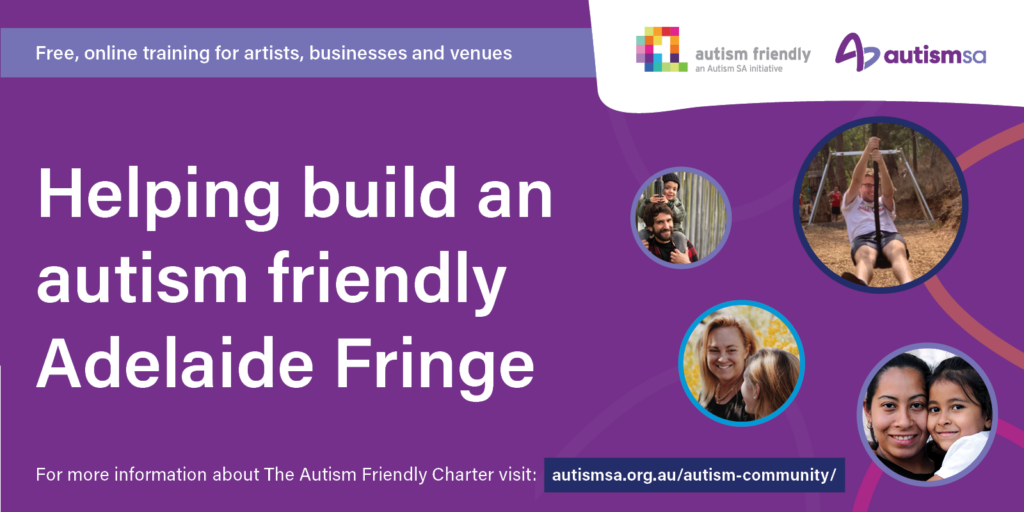
Autism SA is an Accessibility Partner for the Adelaide Fringe for a fourth year in a row!
As part of this, we welcome all artists and venues to participate in free online Autism Friendly training. Once this training is complete, there is also opportunity for venues or shows to be listed on the free Autism Friendly Charter Business Directory.
If you are a Fringe venue or artist, click the button below to get started with your free training.
Visit the Autism Friendly Charter website
Autism Friendly Dining
We’ve partnered with the Australian Hotels Association – SA Branch to help make South Australian venues more inclusive. Take a look at our Autism friendly dining directory to see what venues have come on board to hold inclusive dining experiences.
Autism friendly dining directory
Step by Step guide to inclusive venues
We’ve just launched a step by step guide to enhancing accessibility and inclusion in venues.
View the guide
Advocacy
Australian Autism Alliance
Autism SA is a member of the Australian Autism Alliance – a diverse national network of key autism organisations that works to influence and inform, educate and engage, connect and collaborate. You can learn more about this on the Alliance website.
Visit the Autism Alliance website
Free Resources

The Spectrum
The Spectrum is a free online resource that helps to answer questions about autism, and explains many facts and common misconceptions around diagnosis, communication, emotions and more.
The resource is developed and maintained by Autism SA.
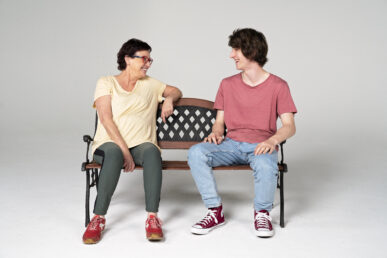
Autistics’ Guide to Adulthood
Autistics’ Guide to Adulthood is an online life-skills resource created specifically for autistic adults. The resource consists of ten life-skills modules, which you can access at your own pace in a secure, safe and fun online environment that allows you to choose your own adventure!

Autism SA Library
Physical and digital resources, such as books and DVDs, can be borrowed through Autism SA.
Library items that are available through Autism SA can be searched online here. To loan or reserve items, please email us at contactus@autismsa.org.au, or call on 1300 288 476, between 9am-4pm Monday to Friday.
Neuro-inclusive Recruiting
Neuro-inclusive Recruiting is a free online resource designed to support employers to attract, employ and retain neurodivergent talent. It provides practical information, tools and strategies to build confidence in creating and maintaining neuro-inclusive workplaces.
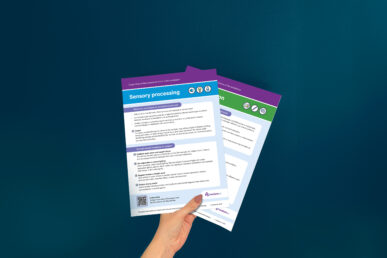
Strengthening Pathways to Inclusive Employment
A poster series for employers to support autistic people to thrive in any workplace.
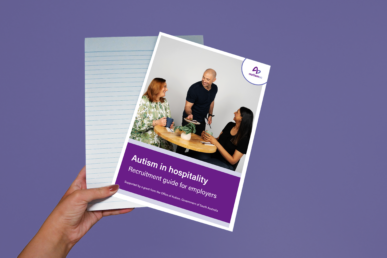
Autism in Hospitality – Recruitment Guide for Employers
Access the free guide to support the recruitment of autistic jobseekers in the hospitality industry.
Supported by a grant from the Office of Autism, Government of South Australia
Community Education
Autism Friendly Charter
The Autism Friendly Charter is a free online learning platform and inclusive business directory that was developed in partnership with individuals on the autism spectrum and their families to assist businesses, organisations and venues to build understanding, awareness, inclusivity and capacity of the autism spectrum.

Research
Autism SA is committed to supporting research into autism that supports the growth of professional and community understanding. We provide opportunities for people on the autism spectrum and their families to participate in research and make their own contribution to the growing body of research in Australia.
Community Projects
Supporting inclusive spaces with City of Marion
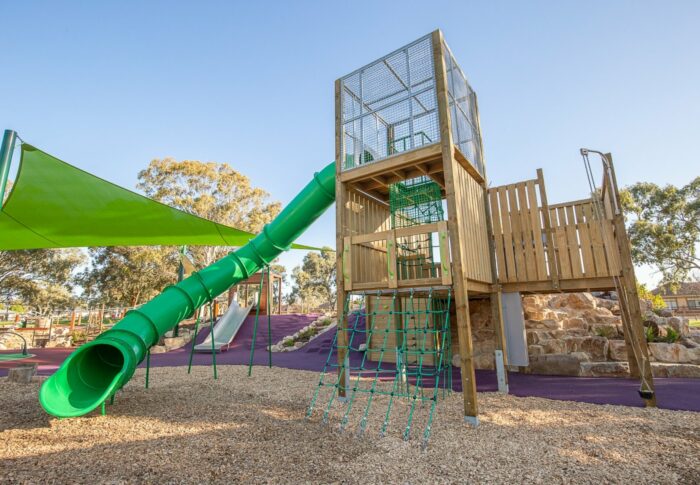
Hendrie Street Reserve Inclusive Playground
We are so pleased to announce an accessibility project with the City of Marion. Click the button to learn more about this project, and how you can use the communication and visual boards when visiting Hendrie Street Reserve.
Learn how to use the communication boards
We are so pleased to announce an accessibility project with the City of Marion. Click the button to learn more about this project, and how you can use the communication and visual boards when visiting Hendrie Street Reserve.
Support Groups
Autism SA maintains a register of support groups. These groups can be supportive, informative, and fun, giving you the opportunity for networking, find emotional support and a safe place to talk or listen. They can promote hope, empowerment, and strive to break down the barriers.
Please note these groups are not facilitated by Autism SA.
View the Support Group Register